Table of Contents
ToggleIntroduction – How to Improve Your Credit Score in Nigeria
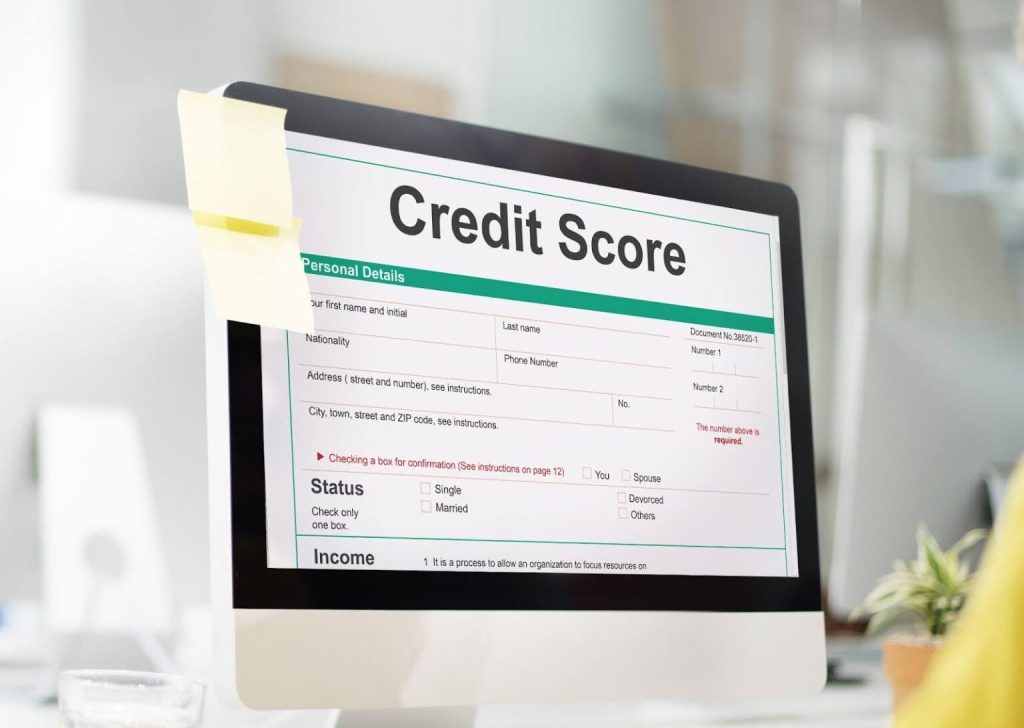
How to improve your credit score in Nigeria is a topic that more people are beginning to take seriously. Your credit score is not just a number; it’s your financial reputation. Banks, fintech lenders, landlords, and even employers may check it before deciding whether to trust you with money or opportunities.
A poor credit score can block you from getting loans, while a good score can unlock low-interest loans, high credit limits, and premium credit card offers. The good news is that improving your credit score is possible — no matter your current financial state.
In this detailed guide, you’ll learn exactly how to improve your credit score in Nigeria using proven, practical steps, along with answers to common questions about credit scoring.
What is a Credit Score in Nigeria?
A credit score is a three-digit number that reflects your creditworthiness — essentially, how likely you are to repay borrowed money on time.
In Nigeria, credit scores are calculated by licensed credit bureaus such as:
These bureaus collect data from banks, microfinance institutions, fintech lenders, and utility companies to generate your score. The score usually ranges from 300 to 850. Higher scores mean lower risk for lenders, while lower scores mean higher risk.
Credit Score Ranges in Nigeria
| Score Range | Category | Meaning |
|---|---|---|
| 720 and above | Excellent | Very low risk to lenders |
| 690 – 719 | Good | Low risk |
| 630 – 689 | Fair | Medium risk |
| 300 – 629 | Poor | High risk |
A higher score means better access to loans and lower interest rates. If you want better loan terms, your goal should be to keep your score above 690.
Why Improving Your Credit Score in Nigeria Matters
If you’re wondering why learning how to improve your credit score in Nigeria is important, consider these benefits:
- Easier Loan Approvals – Lenders prefer borrowers with a history of timely repayments.
- Lower Interest Rates – A good score can help you secure loans with reduced interest.
- Higher Credit Limits – Access to more credit when you need it.
- Better Credit Card Offers – Some Nigerian banks offer reward programs for high-score customers.
- Financial Trust – Employers, landlords, and even utility companies can check your score before approval.
Factors That Affect Your Credit Score in Nigeria
Several factors influence your credit score:
- Payment History – Late or missed payments are reported to credit bureaus and can lower your score.
- Debt Levels – High outstanding debt reduces your creditworthiness.
- Credit Utilization Ratio – Using over 30% of your credit limit signals financial risk.
- Credit Age – The longer your credit history, the better your score.
- Credit Mix – Having different types of credit (loans, cards) can boost your score.
- New Credit Applications – Too many applications in a short period hurt your score.
How to Check Your Credit Score in Nigeria
You’re entitled to one free credit report per year from each Nigerian credit bureau:
- CRC Credit Bureau: Dial
*565*8#(MTN only) or visit crccreditbureau.com - FirstCentral Credit Bureau: firstcentralcreditbureau.com
- CreditRegistry: creditregistry.ng
Who Can See Your Credit Report?
Only organizations with a “permissible purpose” can view your credit report, including:
- Banks & financial institutions
- Landlords & property managers
- Insurance companies
- Employers (for specific roles)
- Utility companies (electricity, water, telecoms)
- Debt collectors and regulators
How Credit Scores Affect Loan Applications in Nigeria
When you apply for a loan, the first thing lenders check is your credit score. This determines:
- If you’ll be approved
- Your interest rate
- The maximum loan amount
If your score is low, you may face rejection or be offered loans with high interest rates.
10 Proven Tips on How to Improve Your Credit Score in Nigeria
Here’s the practical part — the exact steps you can take to boost your credit score.
1. Pay Your Bills on Time
Late payments are the fastest way to destroy your score. Automate bill payments or set reminders to ensure timely repayment.
2. Reduce Outstanding Debts
Start with high-interest debts first. The less debt you owe, the better your score.
3. Keep Credit Utilization Below 30%
If your limit is ₦100,000, aim to use less than ₦30,000 at any given time.
4. Avoid Multiple Loan Applications
Each loan application creates a “hard inquiry” that can hurt your score. Apply only when necessary.
5. Keep Old Accounts Active
Old accounts add to your credit history length — which boosts your score.
6. Dispute Credit Report Errors
Mistakes happen. Check your report regularly and correct any errors.
7. Borrow from Lenders that Report to Bureaus
Not all lenders report repayments. Use ones like Renmoney, banks, and top fintechs that report your good behaviour.
8. Pay Off Old Defaults
Your BVN links all accounts. Settling old debts can help rebuild your score.
9. Mix Your Credit Types
Having both a small loan and a credit card shows you can manage different credit types responsibly.
10. Consider Debt Consolidation
Combine multiple debts into one with lower interest to make repayment easier.
Common Mistakes to Avoid When Improving Your Credit Score in Nigeria
- Ignoring small repayment obligations
- Applying for too many loans at once
- Closing old accounts unnecessarily
- Borrowing the maximum available limit
Step-by-Step Action Plan to Boost Your Credit Score in 6 Months
Month 1-2: Check your credit report, pay off overdue debts.
Month 3: Reduce credit utilization to below 30%.
Month 4: Automate bill payments.
Month 5: Avoid new credit applications.
Month 6: Re-check your credit score to track progress.
FAQs – How to Improve Your Credit Score in Nigeria
1. How long does it take to improve my credit score in Nigeria?
With consistent effort, you can see improvements in 3–6 months.
2. Does paying utility bills help my credit score?
Yes, if the provider reports to credit bureaus.
3. Can I get a loan with a poor credit score?
Yes, but interest rates will be higher.
Related Articles
Best Loan Apps in Nigeria Without Collateral
How to Get a Loan from Access Bank in Nigeria
How To Get A Loan In Nigeria As A Student Without Collateral
Conclusion – Building a Better Financial Future
Learning how to improve your credit score in Nigeria is an investment in your financial future. A strong score opens doors to affordable loans, better credit card offers, and more opportunities. By following the 10 proven steps in this guide — and avoiding common mistakes — you can move from a risky borrower to a trusted one.
Your credit score is your financial street credibility. Protect it, grow it, and use it to your advantage.