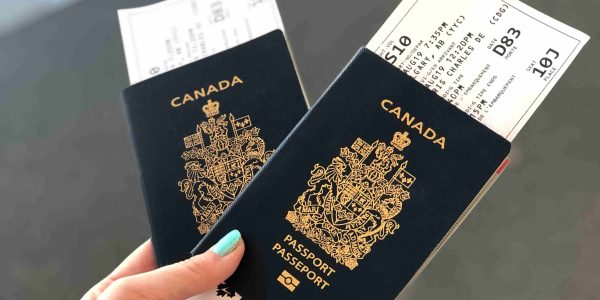

Relocating to Canada from Nigeria is a transformative step for many nigerans seeking better opportunities, safety, and a higher quality of life. In 2022, Canada welcomed over 22,000 Nigerians, making Nigeria the fourth-largest source of immigrants that year. With Canada aiming to admit 500,000 new permanent residents by 2025, now is the best time to plan your move. This blogpost provides a comprehensive roadmap on how to move to Canada from Nigeria, covering immigration pathways, costs, requirements, and practical tips.
Table of Contents
ToggleWhy Do Nigerians Move to Canada?
Apparently, Canada’s appeal lies in its robust economy, world-class education, universal healthcare, and multicultural society. For Nigerians, key advantages include:
- Economic Opportunities: High demand for skilled professionals in healthcare, IT, engineering, and trades.
- Education: Globally recognized universities and colleges, ideal for students and families.
- Safety: Canada ranks among the top 10 safest countries worldwide.
- Nigerian Community: Over 100,000 Canadians of Nigerian descent create a vibrant diaspora in cities like Toronto, Calgary, and Vancouver.
- Immigration Goals: Canada’s plan to welcome 500,000 immigrants by 2025 ensures accessible pathways.
This guide leverages official IRCC guidelines and expert insights to help you navigate how to move to Canada from Nigeria successfully.
Top Immigration Pathways for Nigerians
Canada offers diverse immigration programs tailored to various goals, such as work, study, or family reunification. Below are the most effective options for Nigerians in 2025.
1. Express Entry: The Fastest Path to Permanent Residency
The Express Entry system is the primary route for Nigerians seeking permanent residency. It manages three federal programs:
- Federal Skilled Worker Program (FSWP): For professionals with education and skilled work experience.
- Canadian Experience Class (CEC): For individuals with at least one year of skilled work experience in Canada.
- Federal Skilled Trades Program (FSTP): For skilled trade workers with a valid job offer or certification.
Eligibility Requirements
To qualify to move to Canada from Nigeria through Express Entry, you must:
- Have at least one year of skilled work experience (full-time or equivalent part-time) in the past 10 years.
- Score a minimum Canadian Language Benchmark (CLB) 7 in English or French via tests like IELTS or TEF.
- Hold a post-secondary credential, validated by an Educational Credential Assessment (ECA) from organizations like World Education Services (WES).
- Achieve a competitive Comprehensive Ranking System (CRS) score based on age, education, language skills, and work experience.
Application Process
- Create an Express Entry Profile: Submit your details, including language test results and ECA, on the IRCC portal.
- Receive an Invitation to Apply (ITA): IRCC issues ITAs biweekly to candidates with high CRS scores.
- Submit Documents: Provide police clearances, medical exams, reference letters, and proof of funds within 60 days.
- Processing Time: Typically 3–6 months for permanent residency approval.
Tips for Success
- Improve your CRS score by retaking language tests or gaining additional work experience.
- Explore Provincial Nominee Programs (PNPs) for a nomination, adding 600 CRS points.
2. Provincial Nominee Programs (PNPs)
PNPs allow provinces and territories to nominate candidates based on local labor market needs. The Atlantic Immigration Program (AIP) is particularly suitable for Nigerians, targeting permanent residency in New Brunswick, Nova Scotia, Prince Edward Island, or Newfoundland and Labrador.
AIP Eligibility
- A job offer from a designated employer in an Atlantic province.
- Work experience, education, or language proficiency matching the job level.
- Proof of funds (e.g., CAD$13,757 for a single applicant, CAD$25,564 for a family of four, as of 2024).
Application Process
- Secure a job offer from a designated employer.
- Submit an application with language test results, ECA, and proof of funds.
- Obtain a provincial endorsement and apply for permanent residency through IRCC.
Learn more at Canada’s PNP page.
3. Study Permits for Nigerian Students
Canada welcomed 350,000 international students in 2024, making it a top destination for Nigerians seeking quality education. A Study Permit allows study at a Designated Learning Institution (DLI) and can lead to permanent residency via post-graduation work permits.
Eligibility
- Acceptance letter from a DLI.
- Proof of funds for tuition, living expenses, and return transportation.
- Valid passport and proof of ties to Nigeria (e.g., family, job, or property).
- Clean criminal record and good health (medical exams may be required).
Application Process
- Apply to a DLI and secure an acceptance letter.
- Gather documents: passport, photos, financial proof, and a letter of explanation.
- Apply online via IRCC’s study permit page or through a Visa Application Centre (VAC) in Lagos or Abuja.
- Pay the application fee (CAD$150) and biometrics fee (CAD$85).
- Processing Time: 8–12 weeks, subject to delays.
Note
A 2024 cap limits study permits to 364,000 annually, with Nigerian approval rates at 18%. Professional guidance can enhance your application on how to move to Canada from Nigeria.
4. Visitor Visa for Short-Term Stays
A Visitor Visa (Temporary Resident Visa) is one of the available options for Nigerians looking into how to move to Canada from Nigeria, allowing them to visit for up to 6 months for tourism, family visits, or business.
Eligibility
- Valid passport and two passport-sized photos.
- Proof of ties to Nigeria (e.g., employment or property).
- Sufficient funds (e.g., bank statements or pay stubs).
- Intent to leave Canada after your stay.
Application Process
- Download the application package from IRCC’s visitor visa page.
- Submit forms, fees (CAD$100), and documents like bank statements.
- Attend a biometrics appointment at a VAC in Nigeria.
- Processing Time: 2–4 weeks, depending on volume.
5. Family Sponsorship
Nigerians with close family in Canada (spouses, partners, dependent children, or parents) can apply for permanent residency through the Family Class Sponsorship Program.
Eligibility
- The sponsor must be a Canadian citizen or permanent resident, 18+, with sufficient income.
- Eligible relationships include spouses, common-law partners, dependent children, or parents/grandparents.
Application Process
- The sponsor submits an Application to Sponsor form.
- The sponsored person applies for permanent residency with health and security clearances.
- Processing Time: 12–24 months.
Costs of Moving to Canada from Nigeria
When it comes to how to move to Canada from Nigeria, understanding the financial requirements is arguably the most important step. The costs can be significant and are subject to change, making careful planning for 2025 essential. Below is a detailed cost breakdown to help you prepare your budget.
Application Fees
- Express Entry: CAD$1,525 per adult (includes Right of Permanent Residence Fee).
- Study Permit: CAD$150 (plus CAD$85 biometrics).
- Visitor Visa: CAD$100 (plus CAD$85 biometrics).
- Work Permit: CAD$155 (plus CAD$85 biometrics).
- Family Sponsorship: CAD$1,080–$1,525, depending on the relationship.
Proof of Funds
For programs like Express Entry or AIP, you must show:
- Single applicant: CAD$13,757
- Couple: CAD$17,127
- Family of four: CAD$25,564
Additional Costs
- Language Tests: $200–$300 (IELTS or TEF).
- ECA: $200–$300 (e.g., WES).
- Medical Exams: $100–$200.
- Flights: $800–$2,000 from Nigeria to Canada.
- Settlement Costs: $2,000–$5,000 for initial housing, food, and transportation.
Step-by-Step Process to Move to Canada
- Assess Eligibility: Use IRCC’s Come to Canada tool to identify your best pathway.
- Take a Language Test: Complete IELTS or TEF to prove English or French proficiency.
- Obtain an ECA: Validate Nigerian credentials through WES or another designated organization.
- Gather Documents: Collect passports, work references, police clearances, and proof of funds.
- Apply Online: Submit your application via IRCC’s portal or a VAC in Nigeria.
- Complete Biometrics: Visit a VAC in Lagos or Abuja for fingerprinting.
- Track Your Application: Monitor status updates online.
- Plan Your Move: Book flights, arrange housing, and prepare for life in Canada.
Challenges and Expert Tips
While the prospect of a new life is exciting, understanding how to move to Canada from Nigeria also means being prepared for potential challenges. This section offers expert advice and practical tips to help you navigate common hurdles, from documentation issues to cultural adjustments, ensuring your transition is as smooth as possible.
Common Challenges
- Study Permit Caps: Approval rates for Nigerians dropped to 18% in 2024 due to a 364,000-permit cap.
- High Competition: Express Entry and PNPs require high CRS scores or job offers.
- Documentation Delays: Obtaining police clearances in Nigeria can be time-consuming.
- Financial Costs: Application fees and settlement expenses are significant.
Expert Tips
- Start Early: Begin your application 12–18 months in advance to account for processing times.
- Improve Language Scores: Higher IELTS/TEF results boost your CRS score.
- Explore PNPs: Programs like AIP are less competitive than Express Entry.
- Network in Canada: Connect with employers or Nigerian communities for job offers or nominations.
- Seek Professional Guidance: Consult certified immigration consultants to avoid errors and delays.
Life in Canada for Nigerians
Once you’ve successfully navigated how to move to Canada from Nigeria, a new and exciting life awaits. Here’s what you can expect:
- Thriving Communities: Cities like Toronto, Vancouver, and Calgary host vibrant Nigerian diaspora groups.
- Career Prospects: High-demand sectors include healthcare, IT, and engineering.
- Cultural Integration: Canada’s multicultural society embraces Nigerian traditions, food, and festivals.
- Access to Services: Benefit from universal healthcare and top-tier education for you and your family.
Conclusion
Mastering how to move to Canada from Nigeria in 2025 is achievable with the right preparation. Whether through Express Entry, PNPs, study permits, or family sponsorship, understanding eligibility, costs, and processes is crucial. Start early, gather accurate documents, and consider professional guidance to boost your success rate. Canada’s welcoming environment, economic opportunities, and vibrant Nigerian communities await you.
For the latest updates, visit IRCC’s official website. Begin your journey to Canada today!
Disclaimer: Immigration policies and costs may change. Always verify details with IRCC or a certified consultant.